
Services
Port Operation Services
Port Operations refers to a series of maritime procedures aimed at ensuring the smooth movement of vessels and their containers from one terminal to another. Sea travel involves various types of vessels each with its own specifications. From cargo ships to ferries barges to recreational vessels all watercraft rely on port operations to successfully begin or complete their maritime journeys.Marine Services
Marine services encompass all necessary actions for the safe approach berthing mooring loading unberthing and departure of an approved LNG ship at the LNG hub facilities. These services include towing and escorting fireboats line handling pilot services harbor assist tugs and other boats required by an approved LNG ship with approach and departure occurring from and to the pilot boarding station.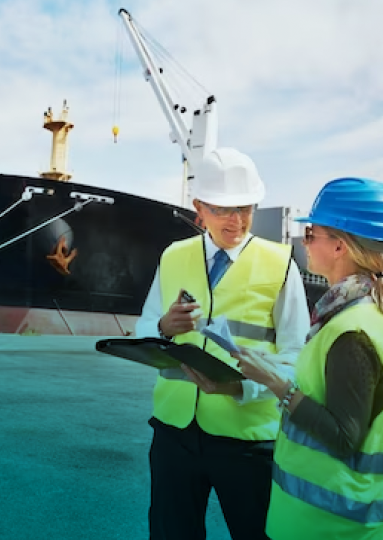
Container Terminal
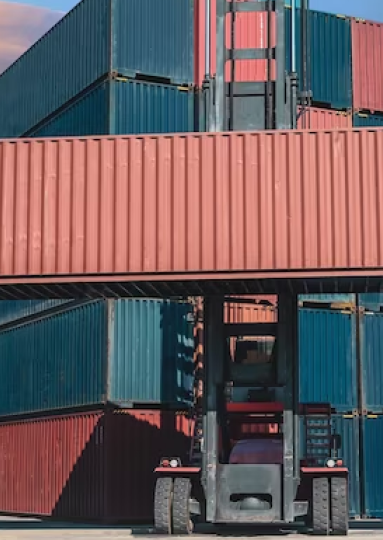
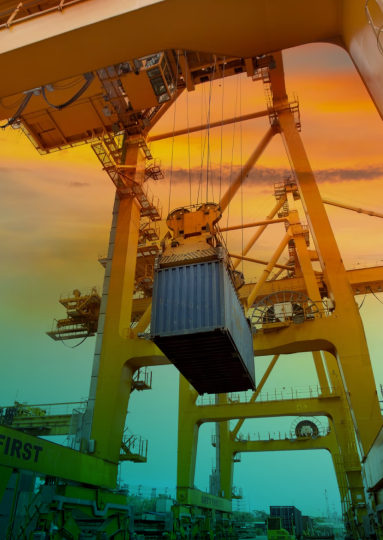
Container terminals dominate the port terminal landscape due to the wide variety of goods that can be transported in containers. These terminals are capital intensive and require a large footprint to accommodate the storage needs of containers.Dry Bulk
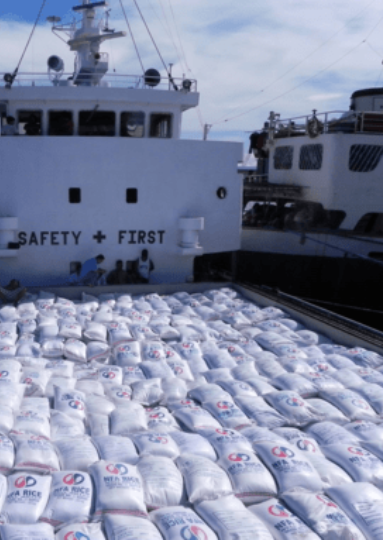
Dry bulk cargo refers to unpackaged goods transported in large quantities limited by ship size or demand. Key commodities include coal iron ore and grain which require specialized equipment and storage facilities. Due to this specialization a terminal designed for one type of bulk product such as grain cannot handle other types of commodities even if the pier can accommodate various ship classes.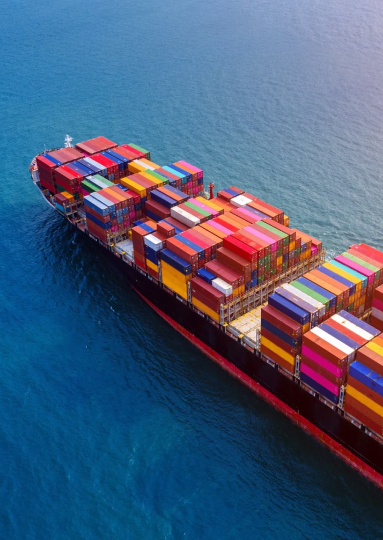
Breakbulk
Breakbulk cargo is goods carried in drums bags pallets or boxes. These types of cargo are typically handled at general purpose facilities which include a combination of open storage spaces and warehouses. Historically most port terminals were built as multipurpose facilities since the majority of commercial cargo was transported in breakbulk form. However it was only in the late nineteenth century that ship specialization became dominant leading to the development of specialized terminal facilities.RoRo - Roll-On / Roll-Off Services
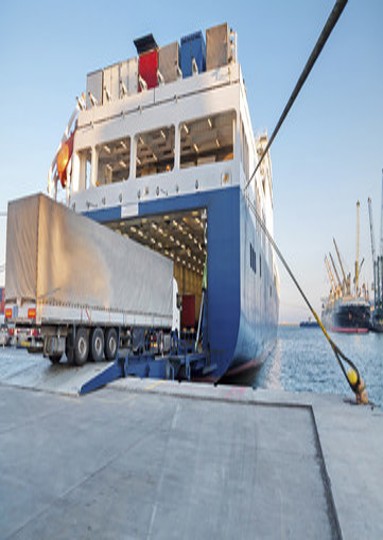
RoRo Roll on Roll off services handle vehicles that are rolled on and off specialized carriers. While ramps are required for loading and unloading most standard vehicle carriers are equipped with their own ramps. The most critical aspect of a RoRo terminal is the extensive parking space needed to store vehicles before they are loaded onto the carriers. These terminals also accommodate ferries that transport both vehicles and passengers further emphasizing the need for ample parking space while vehicles await boarding.