
Pakistan’s fragile energy architecture has become a central geopolitical vulnerability after the 2026 Strait of Hormuz disruption exposed how quickly maritime chokepoints can destabilize military readiness, industrial continuity, and national economic resilience across South Asia.
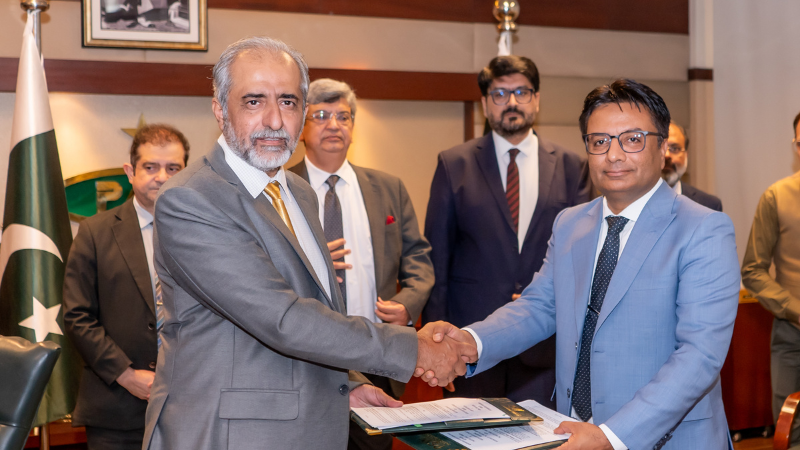
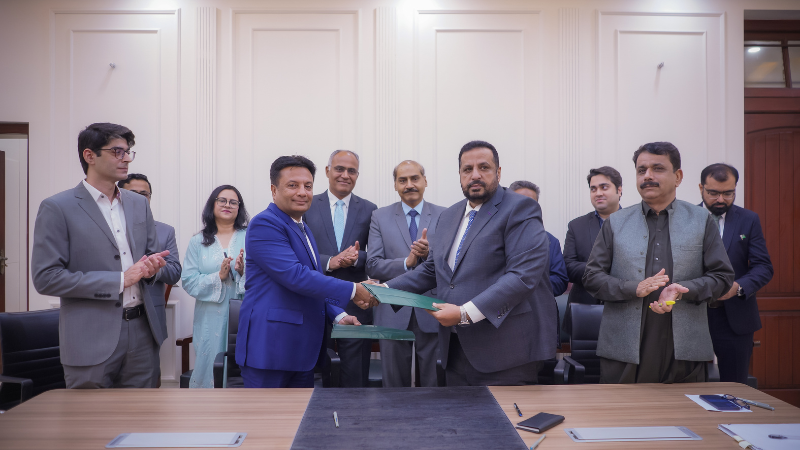
Saudi Arabia and Kuwait are now reportedly exploring the establishment of strategic petroleum reserves totaling 17 million barrels in Pakistan, signaling an emerging Gulf-backed effort to redesign regional energy survivability beyond the Persian Gulf battlespace.
The proposed reserve structure reportedly allocates 10 million barrels for Saudi facilities and seven million barrels for Kuwaiti infrastructure, positioning Pakistan’s Gwadar coastline as a potential forward energy-security node for Gulf hydrocarbon exporters.
Although the initiative remains in the planning and technical consultation phase, the proposal has already generated substantial strategic attention because it directly addresses vulnerabilities exposed during the regional crisis involving Iran earlier this year.
Pakistan currently maintains only 20 to 30 days of petroleum reserves, dramatically below the 90-day benchmark widely considered essential for major net energy importers facing prolonged geopolitical disruptions or wartime supply interruptions.
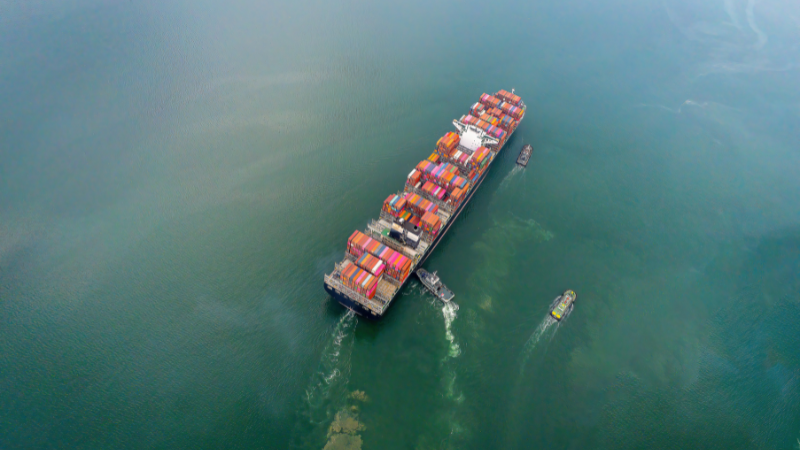
Approximately 80 to 85 percent of Pakistan’s crude oil and petroleum requirements arrive through the Strait of Hormuz, meaning even temporary maritime disruption rapidly translates into domestic inflation, industrial slowdown, and military logistics pressure.
The February 2026 escalation surrounding Iran disrupted shipping flows through Hormuz, triggering severe fuel shortages, emergency procurement measures, and unprecedented price spikes that reportedly pushed petrol prices toward Rs458 per litre across Pakistan.
Saudi Arabia and Kuwait subsequently emerged as emergency stabilizing actors by rerouting fuel shipments and sustaining diesel flows, reinforcing how Gulf monarchies increasingly view Pakistan as strategically relevant within broader regional energy-security calculations.
The reserve proposal also intersects with Islamabad’s wider ambition to transform Gwadar into a fully integrated “Energy City” capable of supporting oil storage, refining, LNG handling, LPG infrastructure, and regional re-export operations.
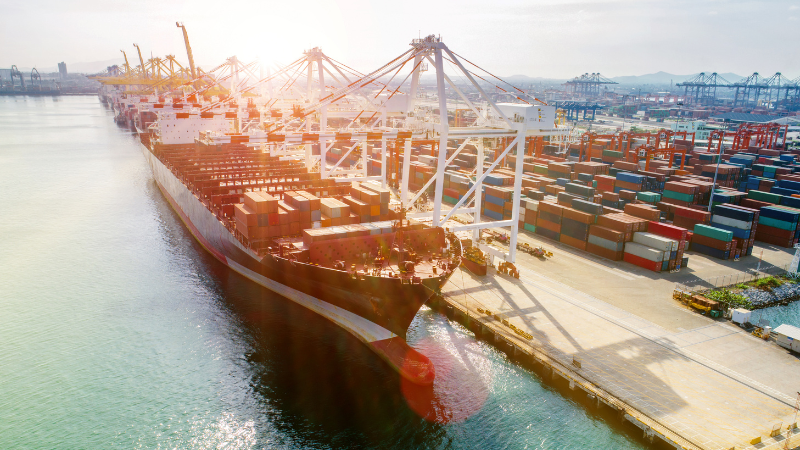
Gwadar’s strategic location outside the immediate Hormuz chokepoint substantially increases its military-logistical value because fuel reserves stored there remain accessible even during naval blockades, missile threats, or sustained maritime disruption inside the Gulf.
The initiative simultaneously aligns with China’s long-term Belt and Road energy-security doctrine because Gwadar remains one of Beijing’s most strategically important maritime footholds under the China-Pakistan Economic Corridor framework.
If implemented successfully, the reserves could evolve from a commercial infrastructure project into one of the most consequential energy-security realignments across the northern Indian Ocean since the expansion of Gulf strategic storage partnerships in Asia.
Hormuz Crisis Rewrote Pakistan’s Strategic Energy Calculus
The 2026 Strait of Hormuz crisis fundamentally altered Pakistan’s national-security calculations because energy shortages rapidly translated into strategic vulnerability across military logistics, power generation, transportation networks, and industrial production chains.
Pakistan’s dependence on imported hydrocarbons exposed how maritime disruptions can degrade operational endurance for both civilian infrastructure and defence preparedness during prolonged regional instability involving Gulf energy corridors.
The closure pressures affecting Hormuz also demonstrated that Pakistan lacked sufficient strategic petroleum buffering capacity to absorb extended supply interruptions without immediate economic and political consequences across domestic markets.
Fuel shortages reportedly disrupted transportation activity, intensified inflationary pressure, and increased emergency import dependence precisely when global energy prices surged because of heightened geopolitical risk perceptions surrounding Gulf shipping lanes.
Pakistan’s vulnerability became especially acute because the country imports the overwhelming majority of its petroleum products while simultaneously operating under constrained foreign exchange reserves and debt-management pressures.
The proposed reserve infrastructure therefore represents more than a commercial storage project because it directly addresses wartime logistics survivability and long-duration national resilience against maritime disruption scenarios.
Gwadar’s geographic positioning outside the narrow Strait of Hormuz shipping corridor provides Pakistan with strategic redundancy that Karachi-based infrastructure cannot fully guarantee during large-scale regional military escalation.
Energy-security planners increasingly view redundancy as essential because modern conflicts often target supply chains, maritime chokepoints, storage depots, and fuel distribution infrastructure before conventional battlefield engagements intensify.
The reserve initiative also reflects a broader international trend toward decentralized petroleum storage networks after repeated disruptions involving the Red Sea, Black Sea, and Persian Gulf maritime transit systems during recent geopolitical crises.
For Pakistan, establishing strategic reserves supported by Gulf partners could gradually reduce panic-driven emergency imports that historically amplified fiscal instability during periods of volatile international energy pricing.
Gwadar’s Transformation Into a Eurasian Energy Fortress
Gwadar is increasingly being repositioned from a symbolic Belt and Road port project into a strategic energy-logistics platform designed to integrate maritime trade, refining infrastructure, fuel storage, and regional energy redistribution networks.
The proposed Pakistan Maritime Energy City framework aims to combine crude storage facilities, LNG terminals, refinery infrastructure, petrochemical investment, and export-processing capabilities into a unified strategic industrial ecosystem.
Saudi Arabia’s previously discussed US$10 billion (RM38 billion) refinery proposal at Gwadar remains central because a 400,000-barrel-per-day refining capability would significantly alter Pakistan’s downstream petroleum balance.
Such refining capacity could potentially transform Pakistan from a predominantly import-dependent fuel market into a regional processing and redistribution platform serving South Asia, Central Asia, and western China-linked corridors.
Large-scale refining infrastructure also generates strategic depth because refined petroleum exports provide foreign exchange stability while simultaneously improving domestic military and industrial fuel security during external supply disruptions.
The storage initiative strengthens Gwadar’s attractiveness because integrated energy ecosystems typically attract secondary investment involving shipping, pipelines, petrochemicals, bunkering services, and maritime logistics support infrastructure.
Pakistan is reportedly encouraging additional oil-producing countries and international investors to participate in Gwadar Energy City, suggesting Islamabad seeks to establish a multinational energy-security ecosystem rather than a bilateral arrangement.
The reserve concept additionally improves Pakistan’s leverage in regional energy diplomacy because countries controlling strategic storage hubs often gain enhanced influence during periods of market instability or supply disruption.
Military planners also recognize that hardened petroleum infrastructure can become strategically decisive because sustained military operations depend heavily upon uninterrupted fuel availability for airpower, naval deployments, and mechanized ground operations.
Gwadar’s development therefore increasingly carries dual-use implications where civilian economic infrastructure simultaneously enhances Pakistan’s long-term national resilience and operational sustainment capability during future regional crises.
Saudi Arabia and Kuwait Expand Their Strategic Footprint
Saudi Arabia and Kuwait appear to view the proposed reserves as a mechanism for diversifying strategic storage exposure beyond the Persian Gulf, where concentrated infrastructure remains vulnerable to missile warfare and maritime disruption.
The 2026 Gulf crisis demonstrated how quickly millions of barrels of export capacity could become strategically stranded when shipping insurance costs surge and maritime transit routes face escalating security uncertainty.
For Riyadh, Pakistan’s geographic position offers a strategically valuable external storage corridor linked to both Arabian Sea access routes and China-connected infrastructure under the Belt and Road Initiative.
The proposal also follows the 2025 Saudi-Pakistan Strategic Mutual Defence Agreement, which significantly deepened security coordination between Islamabad and Riyadh amid intensifying regional geopolitical competition.
Saudi strategic planners increasingly appear to view energy infrastructure, defence agreements, and logistics integration as interconnected instruments shaping long-term regional influence rather than isolated bilateral initiatives.
Kuwait’s involvement carries equal significance because Kuwaiti diesel supplies reportedly already account for more than 60 percent of Pakistan’s diesel requirements, creating deep operational interdependence between both countries.
The reserve initiative would therefore institutionalize Gulf-Pakistan energy coordination through permanent infrastructure rather than emergency crisis-management arrangements activated only during regional disruptions.
Strategically distributed petroleum storage additionally improves Gulf export flexibility because reserve holdings outside immediate conflict zones can stabilize supply continuity during periods of maritime insecurity or regional military escalation.
The emerging project may also strengthen Gulf influence inside South Asian energy markets by positioning Saudi and Kuwaiti infrastructure at the center of Pakistan’s future downstream petroleum architecture.
Although technical negotiations regarding financing structures, operational management, site allocation, and legal frameworks remain unresolved, Gulf interest alone has already elevated Gwadar’s geopolitical significance across regional energy calculations.
China Quietly Emerges as the Strategic Winner
China may ultimately emerge as one of the largest indirect beneficiaries because Gwadar’s energy infrastructure directly supports Beijing’s long-standing effort to diversify vulnerable maritime energy supply chains.
Beijing’s “Malacca Dilemma” and concerns regarding Hormuz disruption have driven Chinese investments toward alternative corridors capable of reducing dependence on contested Indo-Pacific maritime chokepoints.
Chinese-operated infrastructure at Gwadar under the China Overseas Port Holding Company creates an operational environment where Gulf petroleum reserves become indirectly integrated into wider Belt and Road energy-security planning.
The reserve initiative could eventually support expanded overland connectivity linking Gwadar with western China through pipeline, rail, or refined-fuel transportation networks connected to broader CPEC infrastructure systems.
Chinese strategists consistently prioritize logistical redundancy because energy-security disruption remains one of the most significant vulnerabilities facing China’s industrial economy and military modernization trajectory.
Gwadar’s transformation into a multinational petroleum hub therefore aligns closely with Beijing’s objective of creating resilient maritime-commercial nodes protected through diversified geopolitical partnerships and infrastructure interdependence.
The arrangement also deepens the emerging China-Pakistan-Gulf strategic triangle without formally challenging Gulf states’ simultaneous security relationships with the United States and Western defence partners.
Beijing gains additional strategic advantage because Gulf-financed infrastructure reduces China’s direct financial burden while still advancing Chinese geopolitical interests across the Arabian Sea and northern Indian Ocean region.
Analysts increasingly interpret Gwadar’s energy expansion as evidence that Belt and Road infrastructure projects are evolving beyond trade facilitation toward integrated strategic logistics ecosystems with long-term geopolitical consequences.
If execution accelerates rapidly, Gwadar could become one of the most strategically consequential Chinese-linked maritime energy corridors connecting Gulf hydrocarbon production with Eurasian industrial consumption networks.
India, Iran and the Emerging Regional Energy Competition
India will likely monitor the Gwadar reserve initiative closely because energy security increasingly shapes regional power competition alongside conventional military modernization and maritime force posture expansion.
New Delhi has already pursued diversified energy partnerships with Gulf states, including strategic petroleum reserve cooperation involving the United Arab Emirates and expanded maritime logistics coordination across the Indian Ocean.
Pakistan narrowing the strategic energy-security gap could gradually reduce one area of structural vulnerability that historically constrained Islamabad during prolonged geopolitical or military crises involving regional escalation.
Iran faces a more complex strategic equation because Gwadar’s development simultaneously reduces Hormuz dependency while potentially creating alternative commercial pathways benefiting Iranian energy exports toward China-linked corridors.
The project therefore carries dual implications for Tehran by weakening some forms of geographic leverage while potentially preserving opportunities for selective pragmatic cooperation involving regional transit infrastructure.
Iranian policymakers may also view expanding Gulf-backed infrastructure near the Arabian Sea with caution because energy corridors increasingly intersect with military partnerships, intelligence coordination, and maritime security architectures.
The broader regional consequence involves the gradual emergence of competing energy-logistics corridors stretching from the Gulf toward South Asia, Central Asia, and western China under overlapping geopolitical frameworks.
Control over storage, refining, and transit infrastructure increasingly determines geopolitical leverage because energy corridors now function as instruments of strategic influence comparable to military basing arrangements or naval access agreements.
The Gwadar reserve initiative therefore extends beyond petroleum economics because it contributes to a wider restructuring of Eurasian connectivity shaped by maritime insecurity, great-power competition, and long-term supply-chain resilience planning.
Although the project remains preliminary and lacks fully confirmed multinational implementation agreements, its geopolitical trajectory already illustrates how the 2026 Hormuz crisis accelerated regional efforts to redesign strategic energy survivability beyond traditional Gulf infrastructure concentrations.
Technical Negotiations and Execution Risks Remain Critical
Despite growing political momentum, the proposed reserves remain at an early planning stage where financing structures, technical feasibility, security requirements, and operational frameworks could still delay or reshape implementation timelines significantly.
Pakistani officials have expressed optimism regarding Gulf participation, yet no widely confirmed joint announcement from Saudi Arabia or Kuwait has formally finalized investment commitments or construction schedules as of late May 2026.
Large-scale petroleum storage infrastructure also requires substantial maritime security, environmental protection, pipeline integration, and hardened logistics support systems capable of surviving both peacetime disruption and wartime targeting scenarios.
Balochistan’s longstanding security challenges create additional operational complexity because energy infrastructure expansion historically increases concerns involving sabotage risks, insurgent attacks, and critical infrastructure protection requirements.
The scale of associated infrastructure costs could become substantial if the project expands toward integrated refining, LNG handling, export terminals, and interconnected transportation corridors supporting regional energy redistribution networks.
A US$10 billion (RM38 billion) refinery component alone would represent one of the largest foreign energy investments in Pakistan’s history, carrying major fiscal, industrial, and geopolitical implications.
Questions also remain regarding reserve ownership structures, emergency access rights, storage prioritization mechanisms, and whether strategic petroleum holdings would remain commercially tradable during supply crises or wartime conditions.
International investors will additionally evaluate whether Gwadar can provide predictable regulatory frameworks, reliable maritime insurance conditions, and sustained political continuity necessary for long-term infrastructure profitability.
Nevertheless, the reserve proposal has already achieved strategic signalling value because it demonstrates growing Gulf confidence in Pakistan’s future relevance within evolving Eurasian energy-security calculations.
If translated from negotiations into operational infrastructure, the proposed 17-million-barrel reserve network could permanently redefine Gwadar’s role from an underutilized port project into a pivotal strategic node linking Gulf hydrocarbons, Chinese logistics architecture, and South Asian energy resilience.