

The Benefits of the PortVerse - Port Community System (PCS) for Key Stakeholders
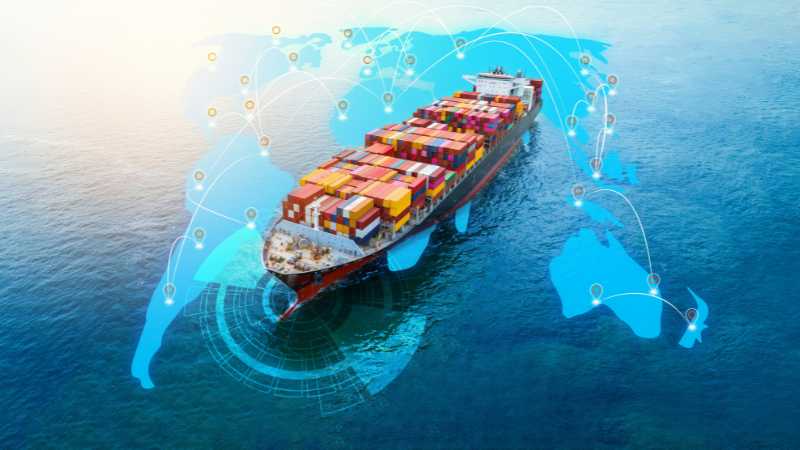
As global trade grows more complex and time-sensitive, ports must operate with greater speed, coordination, and transparency. PortVerse, the Port Community System (PCS) developed by Pakistan Single Window, represents a transformative step in modernizing Pakistan’s port operations.
PortVerse serves as a centralized digital platform that connects all stakeholders involved in cargo movement and cross-border trade. By enabling secure, real-time information exchange and automating critical workflows, the system enhances efficiency, reduces manual processes, and strengthens coordination across the maritime trade ecosystem.
Greater Visibility for Importers and Exporters
Through PortVerse, importers and exporters gain real-time tracking and improved visibility of their cargo throughout the supply chain. Centralized documentation and digital approvals reduce uncertainty and accelerate clearance processes. This transparency allows businesses to plan shipments more effectively, minimize delays, and improve overall operational efficiency.
Streamlined Operations for Freight Forwarders
Freight forwarders benefit from automated documentation workflows and direct digital connectivity with shipping lines and customs authorities. PortVerse provides real-time updates on vessel schedules and cargo status, enabling forwarders to manage logistics proactively and reduce turnaround times.
Optimized Resource Management for Shipping Lines
By integrating live operational data, PortVerse improves vessel scheduling, berth allocation, and cargo handling coordination. Reduced waiting times and enhanced predictability help shipping lines optimize resource deployment and improve service reliability at port terminals.
Improved Coordination for Container Depots
Container depots experience stronger integration with transporters and shipping lines through shared digital processes. PortVerse supports better space utilization, efficient container tracking, and faster handling operations, leading to reduced congestion and improved throughput.
Enhanced Planning for Transporters
Transporters access accurate, real-time information on cargo readiness and appointment scheduling through PortVerse. This enables better route planning, minimizes idle time within port areas, and supports smoother cargo pickup and delivery operations.
Data-Driven Efficiency for Terminal Operators
Terminal operators leverage real-time cargo flow information and analytics to allocate resources effectively and reduce bottlenecks. PortVerse improves operational visibility, enabling more informed decision-making and enhanced terminal performance.
Accelerated Compliance for Customs Authorities
PortVerse supports customs authorities by digitizing document submissions and integrating compliance workflows. Automated processes reduce manual intervention, accelerate clearance timelines, and strengthen regulatory oversight across port operations.
Strengthened Oversight for Port Authorities
For port authorities, PortVerse enhances governance by providing integrated visibility across port activities. Digital vessel scheduling and coordinated workflows reduce congestion, improve operational planning, and create a more efficient port environment.
Implementation Across Pakistan’s Major Ports
Under the Pakistan Single Window initiative, PortVerse has been implemented at major ports including Karachi Port, Port Qasim, and Gwadar Port. By digitizing port community interactions and integrating stakeholders on a unified platform, PSW is significantly strengthening maritime trade operations in Pakistan.
Conclusion: Transforming Port Operations Through Digital Integration
PortVerse is more than a digital system, it is a foundational reform in how Pakistan’s ports operate. By connecting stakeholders, streamlining documentation, and enabling real-time coordination, it reduces inefficiencies and enhances transparency across the trade value chain.
Through PortVerse, Pakistan Single Window is driving a smarter, faster, and more integrated maritime trade ecosystem, positioning Pakistan’s ports to compete effectively in an increasingly digital global economy.

